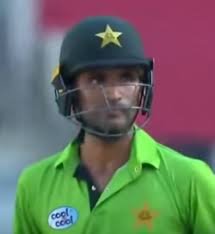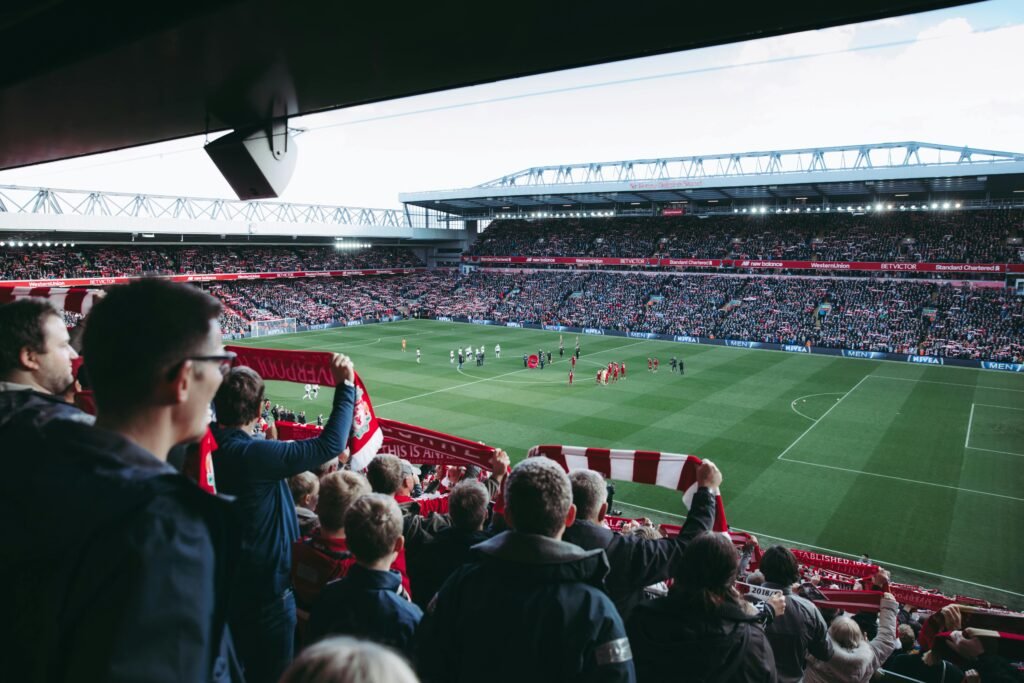
Cricket is a ball and bat game that is played between two teams at a time. In each team, there are eleven players on a field, at the center of which is a 22-yard (20-meter, 66-foot) pitch with a wicket at each end.
Cricket is more than just a game in Asia; it is a phenomenon that connects history, politics, and economics. Its dominance, especially in South Asia (India, Pakistan, Bangladesh, and Sri Lanka), is the result of a unique evolution of this game from a colonial pastime to a multi-billion-dollar engine of national identity.
Colonial Legacy and National Identity
Cricket was introduced to the Indian subcontinent by British sailors and traders who came here for the purpose of trade. In the early 18th century, it was initially played by the British and local elites who had control over the subcontinent’s wealth and trade routes. To gain favor with the empire, it was slow and trickled down to the masses.
Post-Independence Pride: After the 1947 partition, cricket became a medium for newly independent nations to prove themselves on the world level. Defeating England – the inventors of this game- carried immense symbolic weight, transforming a sport into a statement of sovereignty and skill.
1983 World Cup Winning Point: India’s 1983 World Cup victory is just not a vicotry its a symbol which cited as the singular event that shifted the global concern of gravity for cricket from West to East, sparking an obsession that cricket is not just a sport invent byu Brithishers its a history of South Asian countries.
Low Barrier to Entry (Gully Cricket)
One of the primary reasons for its popularity is its accessibility. Unlike other sports, which require specialized courts or expensive gear, cricket can be played anywhere.
- Infrastructure-light: All that is needed is a bat made with wood, a ball (often a tennis ball wrapped in tape), three sticks for wickets, and some space or place where we can play it.
- Urban Adaptability: In densely populated Asian cities, where areas are very populated, “Gully Cricket” (street cricket) allows the game to thrive in narrow alleys and small vacant lots.